
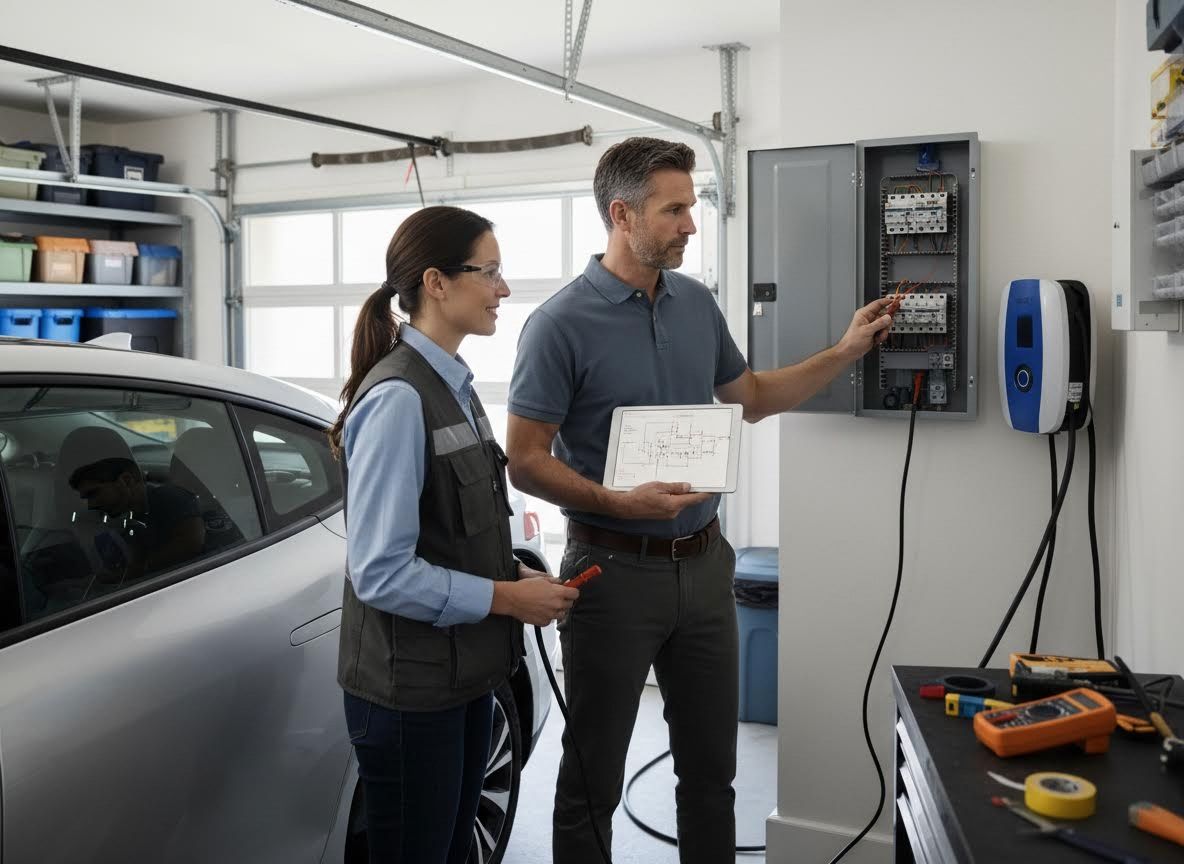
As electric vehicles become increasingly popular, many homeowners are considering the convenience of charging their car right in their own garage. Before you plug in, it's essential to ensure your home's electrical system is ready to handle the demands of an EV charger safely and efficiently. At Bennett Electric, we understand that this isn't just about plugging in a device; it's about integrating new technology seamlessly and safely into your home. This guide will help you understand the key considerations for preparing your residence for an EV charging station.
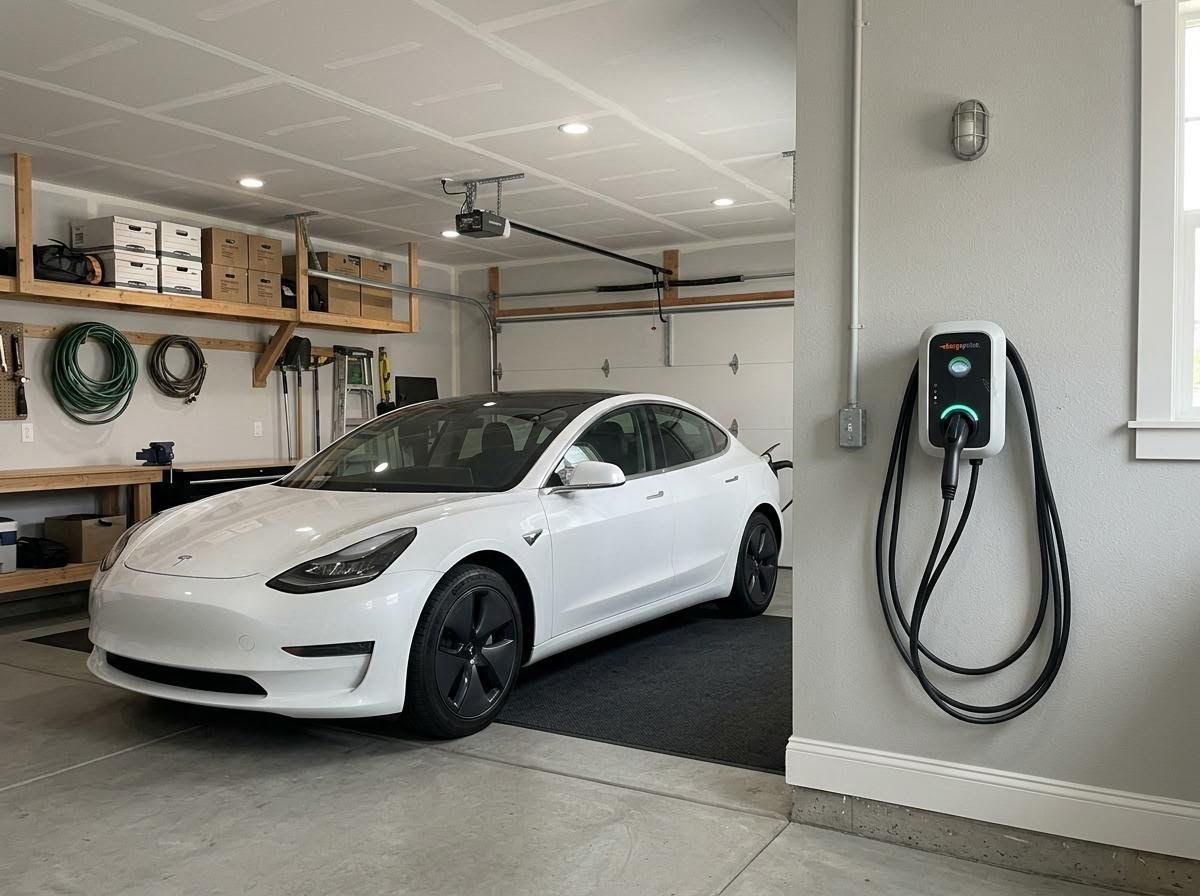
Understanding EV Charging Levels
There are two main levels of EV charging to consider for residential settings: Level 1 and Level 2. Level 1 charging uses a standard 120-volt outlet, like those you use for everyday appliances. While convenient because it requires no special installation, it offers the slowest charging speed, typically adding only 2-5 miles of range per hour. Level 2 charging, on the other hand, uses a 240-volt circuit, similar to the one that powers large appliances like electric dryers or ovens. This level of charging significantly reduces charge time, providing 20-60 miles of range per hour, making it the preferred option for most EV owners for daily use.
Assessing Your Electrical Panel
The heart of your home’s electrical system is its main service panel. Before installing a Level 2 EV charger, it’s critical to assess if your current electrical panel has enough capacity to support the additional load. A Level 2 charger typically requires a dedicated 240-volt circuit and often draws 40 to 60 amps of power. An older panel might not have the spare capacity or available breaker space. An expert will evaluate your panel’s amperage rating, the system's age, and the existing load from all your appliances. Sometimes, a simple electric panel organization update is sufficient, while other times, a complete panel upgrade may be necessary to safely accommodate the new demand.
Professional EV Charger Installation and Safety
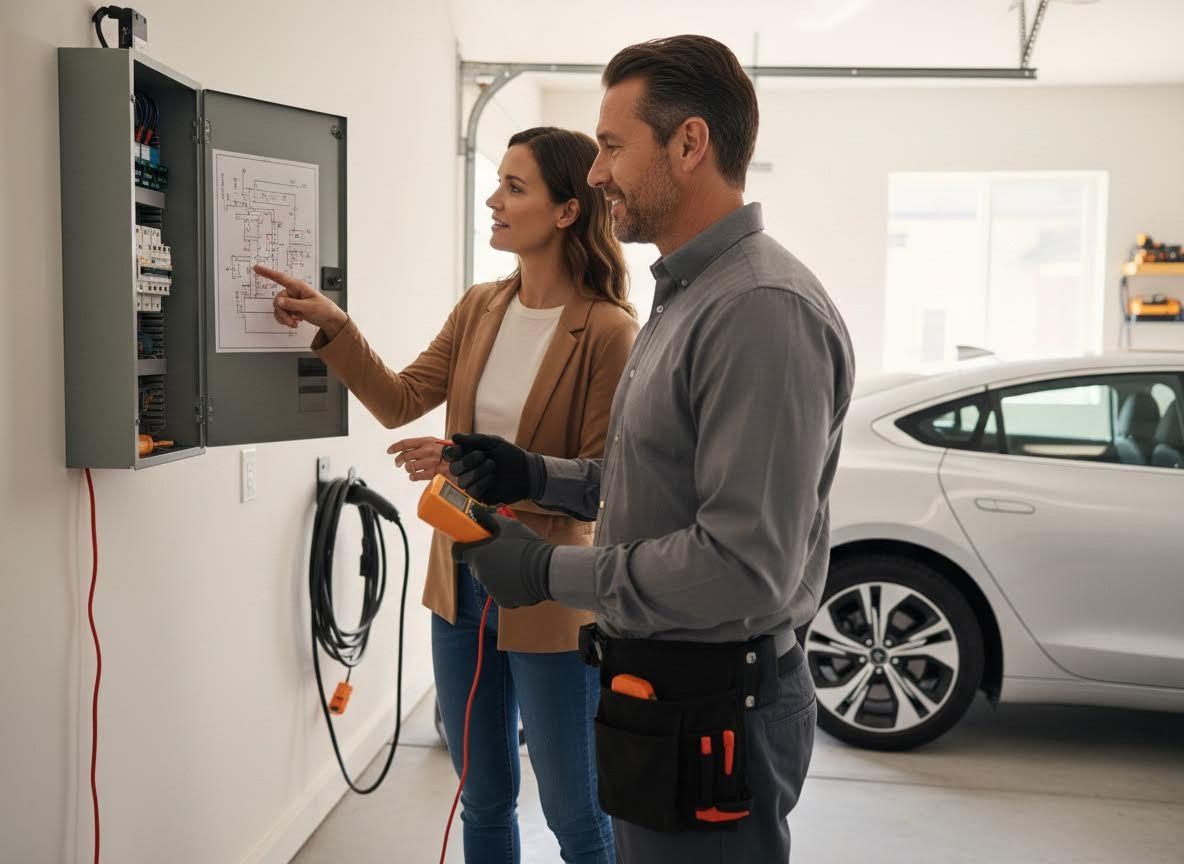
Installing an EV charger is not a DIY project. It involves working with high voltage and currents, which can be dangerous if not handled correctly. A qualified Johnson City electrical contractor will ensure that the EV charger installation complies with all local codes and safety standards. This includes installing a dedicated circuit breaker, using appropriate wiring gauges, and ensuring proper grounding. They will also help you determine the best location for your charging station, considering factors like proximity to your electrical panel and vehicle parking. Skipping professional installation can lead to electrical hazards, damage to your vehicle, or costly repairs down the line.
Preparing your home for an EV charger installation is a smart investment in convenience and the future. By understanding the different charging levels, evaluating your electrical panel's capacity, and prioritizing professional installation, you can ensure a safe and efficient charging experience. For a comprehensive assessment and expert guidance, reach out to our professional team at Bennett Electric to explore your specific EV charging needs and options.