
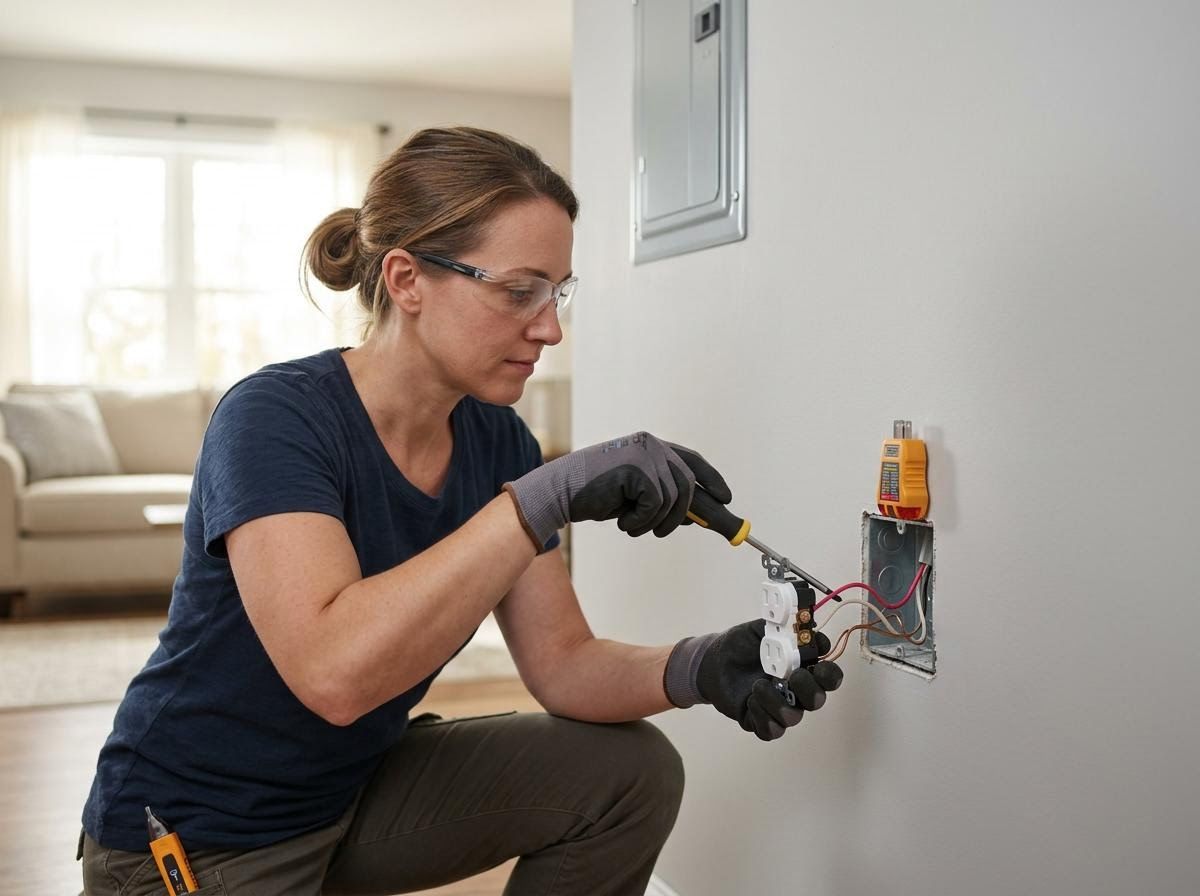
Upgrading your home's electrical system by adding new outlets or switches can significantly enhance convenience and functionality. However, working with electricity is not a task to be taken lightly, as improper installation can lead to serious hazards. At Bennett Electric, we understand the critical importance of safety when undertaking any electrical project, no matter how small it seems.
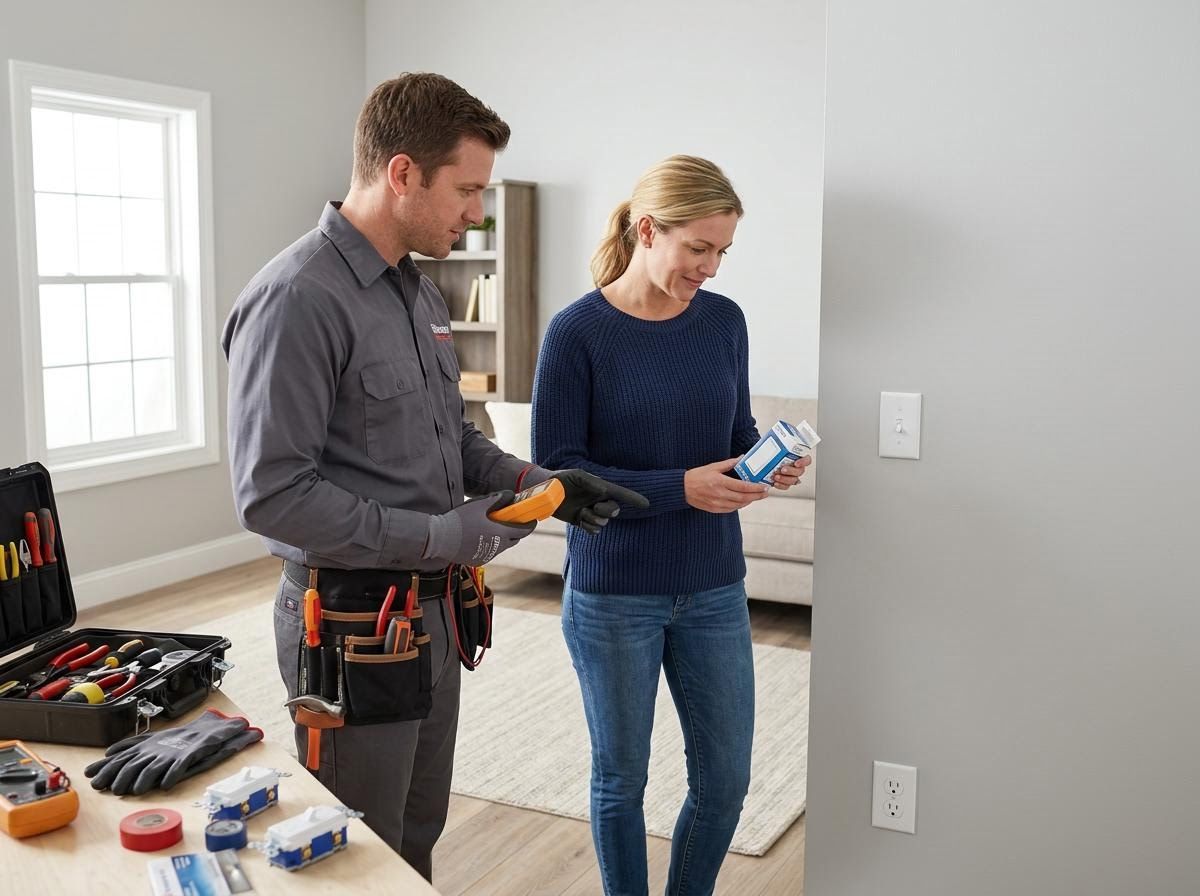
Prioritizing Electrical Safety
When dealing with electrical circuits, safety must always be your top priority. The risks associated with incorrect installation or handling live wires include electric shock, fire hazards, and damage to appliances or the entire electrical system. Even a seemingly simple task like replacing a switch can become dangerous if the power isn't properly disconnected, or if wires are misidentified. Understanding these potential dangers underscores why a cautious and informed approach is non-negotiable.
Essential Preparations and Tools
Before beginning any work on outlets or switches, proper preparation is key. Always start by locating your main electrical panel and shutting off the power to the specific circuit you'll be working on. It's crucial to use a non-contact voltage tester to confirm that the power is indeed off at the device's location before touching any wires. Additionally, having the right tools, such as insulated screwdrivers, wire strippers, and perhaps a receptacle tester, will make the job safer and more efficient. Wearing appropriate safety gear like work gloves and safety glasses is also highly recommended.
Understanding Basic Wiring Concepts
Modern electrical wiring typically involves three main types of wires: hot (usually black or red), neutral (usually white), and ground (usually green or bare copper). The hot wire carries current from the power source, the neutral wire returns current to the source, and the ground wire provides a safe path for electricity in case of a fault, preventing shocks. When installing or replacing outlets and switches, it's vital to correctly identify and connect each of these wires according to the device's specifications and local electrical codes. Incorrect connections can lead to malfunctions, short circuits, or dangerous electrical situations.
Ensuring the safe installation of new outlets and switches is paramount for the well-being of your home and family. While some DIY enthusiasts might feel confident, the nuances of electrical work demand precision and adherence to safety protocols to prevent future issues. For reliable, safe, and code-compliant electrical upgrades, considering professional guidance can provide peace of mind and long-lasting results for your property.