
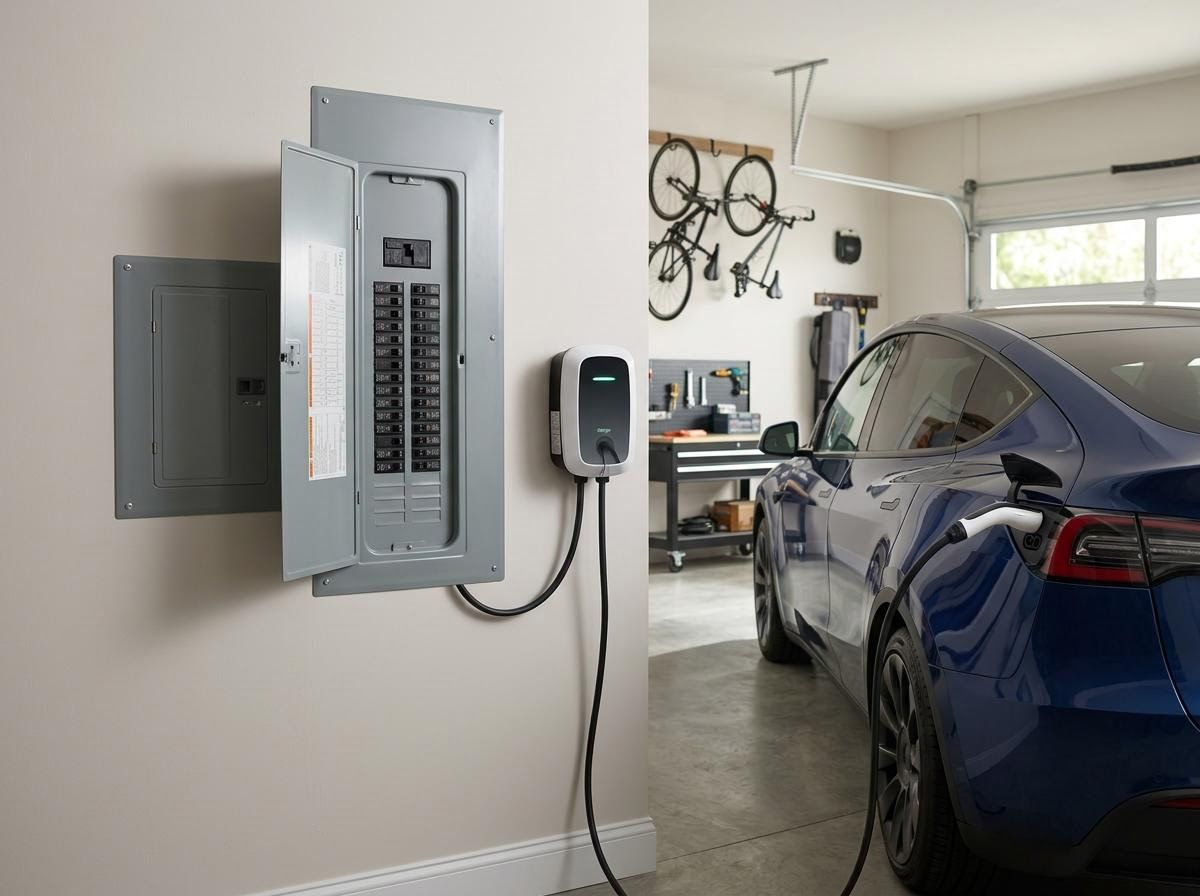
The rise of electric vehicles (EVs) is transforming how we commute, but bringing an EV home means considering more than just where to park it. Your home’s electrical panel is the heart of your power system, and understanding its capacity is crucial for safe and efficient EV charging. At Bennett Electric, we understand that ensuring your home can meet modern demands, such as EV charging, is essential for a seamless transition.
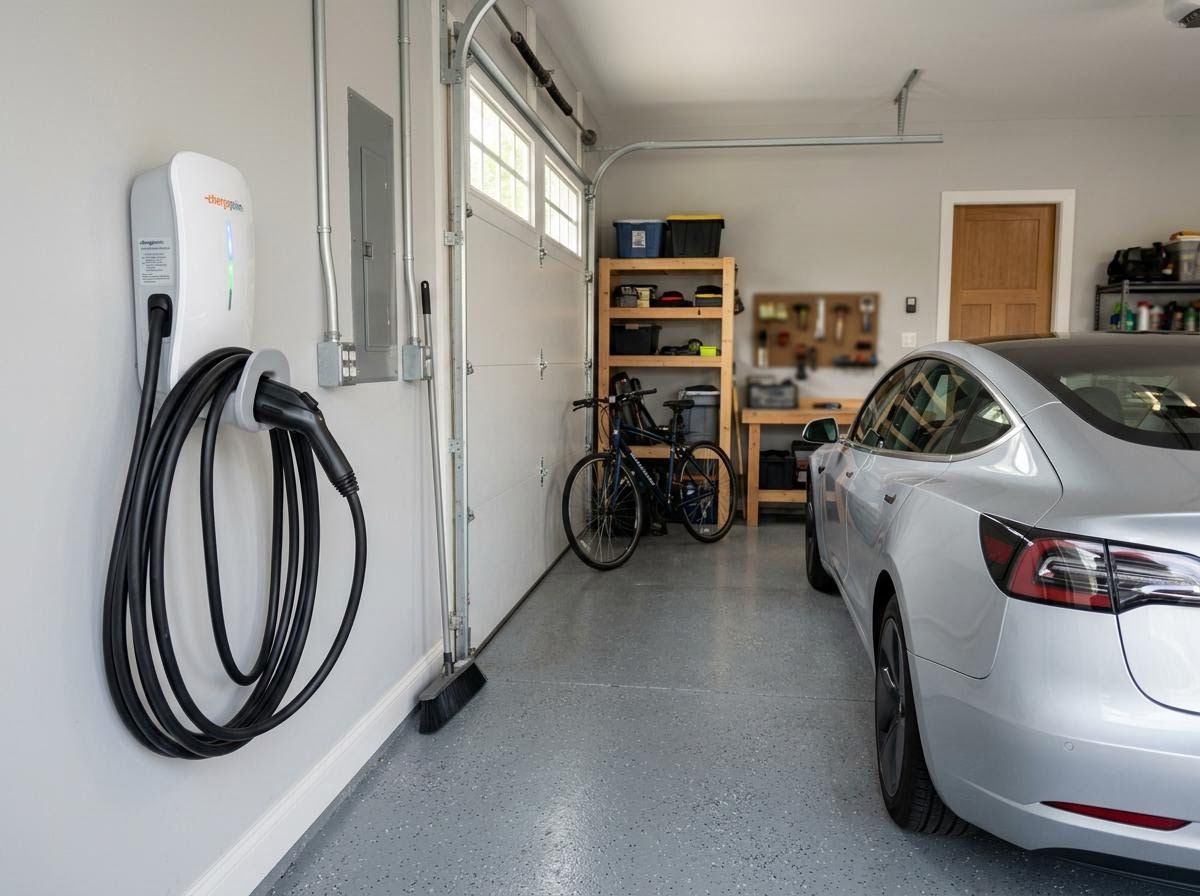
Understanding EV Charger Levels and Power Demands
There are primarily two levels of EV charging relevant to homeowners: Level 1 and Level 2. Level 1 charging uses a standard 120-volt outlet and typically comes with the car, offering a slow charge that adds only a few miles of range per hour. While convenient for overnight charging if daily mileage is low, it’s often insufficient for regular use. Level 2 charging, however, uses a 240-volt outlet, similar to those for electric dryers or ovens, and can charge an EV significantly faster, often fully recharging a battery overnight. This faster charging requires a dedicated circuit and a higher amperage draw from your electrical panel, which is why EV charger installation often necessitates a closer look at your existing electrical infrastructure.
Assessing Your Electrical Panel’s Capacity
Before installing a Level 2 EV charger, it is vital to assess your current electrical panel’s capacity. Your panel has a main breaker that dictates the total amperage available to your home, typically 100, 150, or 200 amps for modern homes. A Level 2 charger can draw a significant amount of power, often requiring a dedicated 40- or 50-amp circuit. This means you need sufficient headroom in your panel to handle the additional load without overloading the system. An experienced professional can evaluate your existing panel, check for available breaker slots and overall capacity, and ensure the panel is properly organized. They will also look for any outdated wiring or components that might not meet current safety standards for such a high-demand appliance.
Essential Upgrades and Safety Considerations
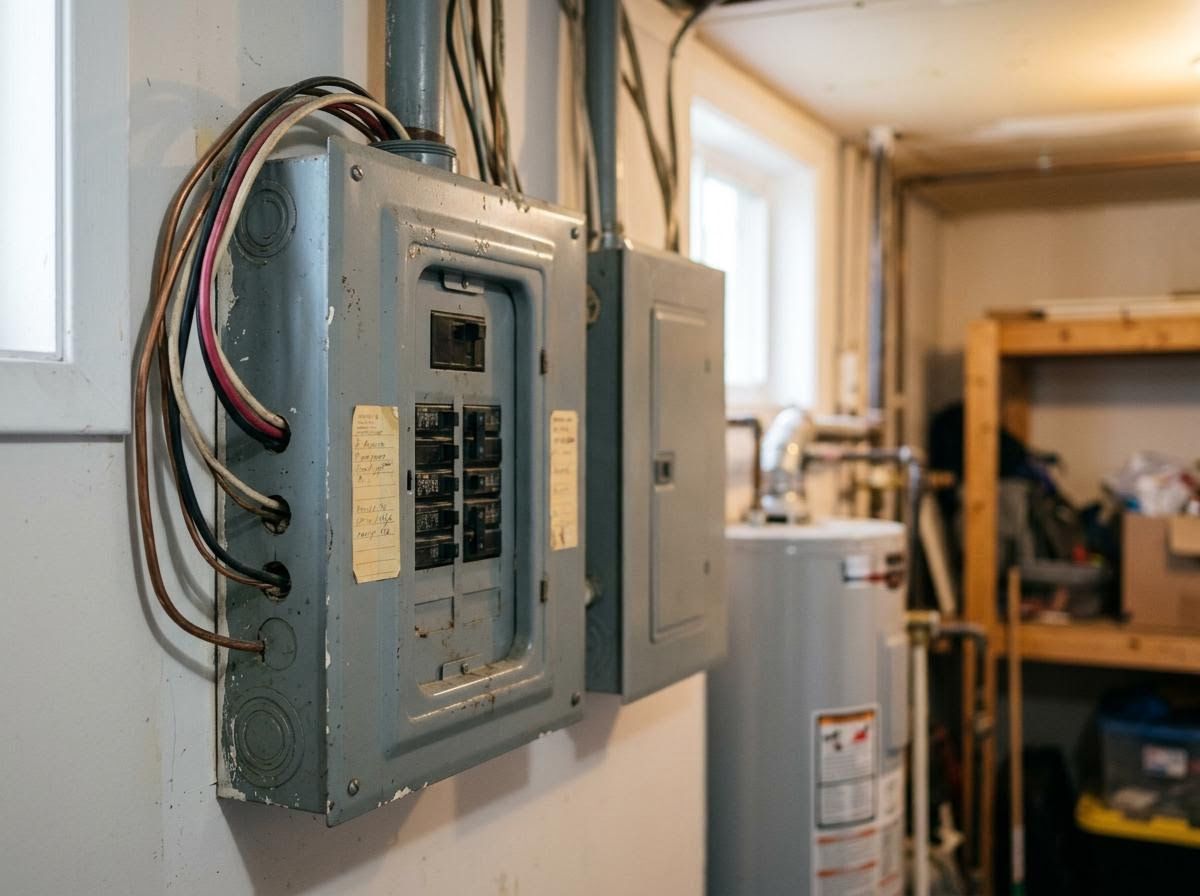
If your electrical panel lacks the necessary capacity or available space for a new circuit, an upgrade may be required. This could involve installing a larger main breaker, a subpanel, or even a complete panel replacement to accommodate the new load. Beyond capacity, safety is paramount. The EV charger installation must comply with all local electrical codes and manufacturer specifications. Proper grounding, circuit protection, and the correct gauge of wiring are not just recommendations but critical requirements to prevent electrical hazards. Investing in these upgrades not only ensures safe and efficient charging for your EV but also enhances the overall safety and reliability of your home’s entire electrical system.
Powering Your Electric Future with Confidence
Transitioning to an electric vehicle brings numerous benefits, and ensuring your home’s electrical system is ready is crucial to a smooth experience. Understanding your panel’s capacity and the demands of EV charging will help you make informed decisions about necessary upgrades and installations. For residents seeking reliable Johnson City electrical contractor services, expert guidance is invaluable. Beyond EV chargers, a reliable electrical system also means being prepared for outages, which is why services like emergency generator repair are crucial for many homeowners. And for any unexpected electrical issues, knowing you have access to an emergency electrician provides peace of mind. To learn more about preparing your home for an EV charger or to schedule an electrical panel assessment, contact our team today.